The £1800 problem: Why Repair Costs are rising and what this means for drivers in 2026
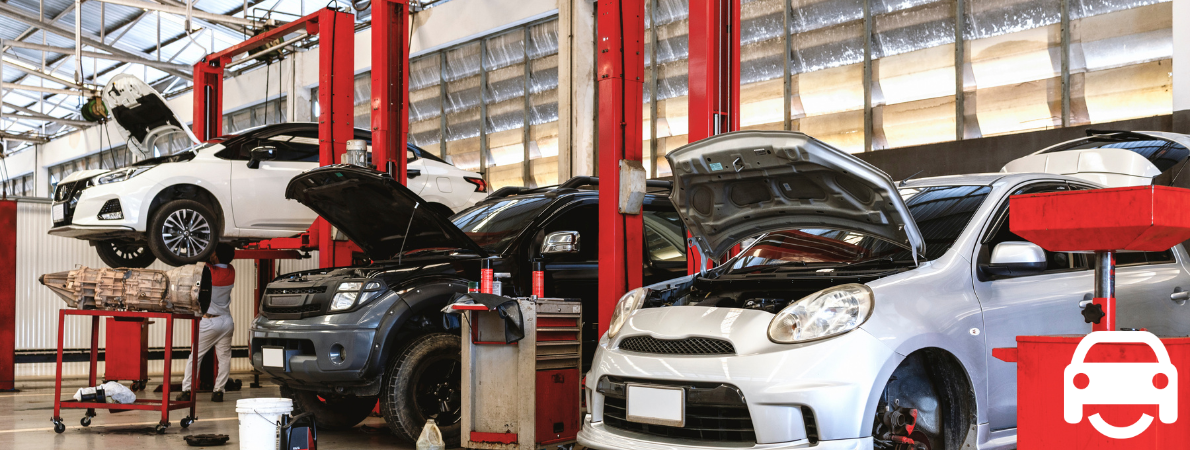
According to The Motor Ombudsman’s latest annual survey, a striking 92% of UK repairers say rising costs will be their biggest challenge this year. And it’s not just the garages feeling the pressure - drivers are right there with them. Nearly seven in ten garages/workshops expect their customers to delay, avoid or cancel essential maintenance, especially as household budgets tighten.
At MotorEasy, we have been digging into our own recent repair data – and the figures tell a story that's just as revealing as the headlines.
The New Reality of Repair Costs
Let’s start with the basics: repairs aren’t just becoming more expensive – they’re becoming widely unpredictable.
Take a look at some of the average repair costs from our current data:
- Hyundai Ioniq (Electric): £6,244
- Mercedes GT: £4,027
- Kia Optima (Diesel): £3,556
- BMW X2: £2,893
- Bentley Continental Convertible: £2,892
- Fiat Ducato: £2,240
What stands out isn’t just these high figures, but the range of them. Depending on your car, fuel type and complexity of the repair, one single cost can stretch from manageable to eye-watering.

Why are repair costs increasing so much?
The Motor Ombudsman’s latest report highlights a ‘perfect storm’ hitting repairers: higher wages, rising energy bills, more expensive parts and increased National Insurance contributions. But there is another layer to this – that being technology.
Modern vehicles today are more advanced than ever. Which is great for safety and efficiency, but not so much when something goes wrong and your faced with a complex issue. Advanced Driver Assistance Systems (ADAS), hybrid powertrains and EV components all require professional knowledge and specialist equipment.
Unfortunately, those expertise don't come cheap.
So, it’s no surprise that 68% of repairers expect parts prices to rise further by the end of 2026. Additionally, nearly half say recruiting skilled technicians remains a major challenge with repairs getting harder to do and more expensive to deliver.
The knock-on effect: driver delaying repairs
This is where things get interesting – and slightly concerning. As costs rise, behaviour is also changing.
The Ombudsman discovered that 695 garages are expecting fewer customers to afford basic routine maintenance. While 68% believe drivers will actively delay essential work and services.
We’re already seeing signs of this in our data.
Cars like the Land Rover Discovery, which have an average repair cost of over £1,500 and extremely high claim volumes, suggest that owners may be delaying repairs – potentially leading to more expensive bills once issues can no longer be ignored.
On top of this, The Carly study found that one repair expected to cost £110, was quoted as high as £672! It’s no shock that drivers are avoiding any sort of car maintenance with prices like this.
Confidence is also going down, with 51% of drivers saying they would struggle to identify a serious issue, despite 69% attempting to self-diagnose before visiting a garage.
Then there’s the most extreme outcome: 38% of repairs now expect drivers to abandon their vehicle altogether if costs are too high.
That’s not just a simple statistic. It refelects a shift in how people think about car ownership.
Not all cars are created equal
One of the clearest insights from our data is how much repair costs vary depending on the type of vehicle.
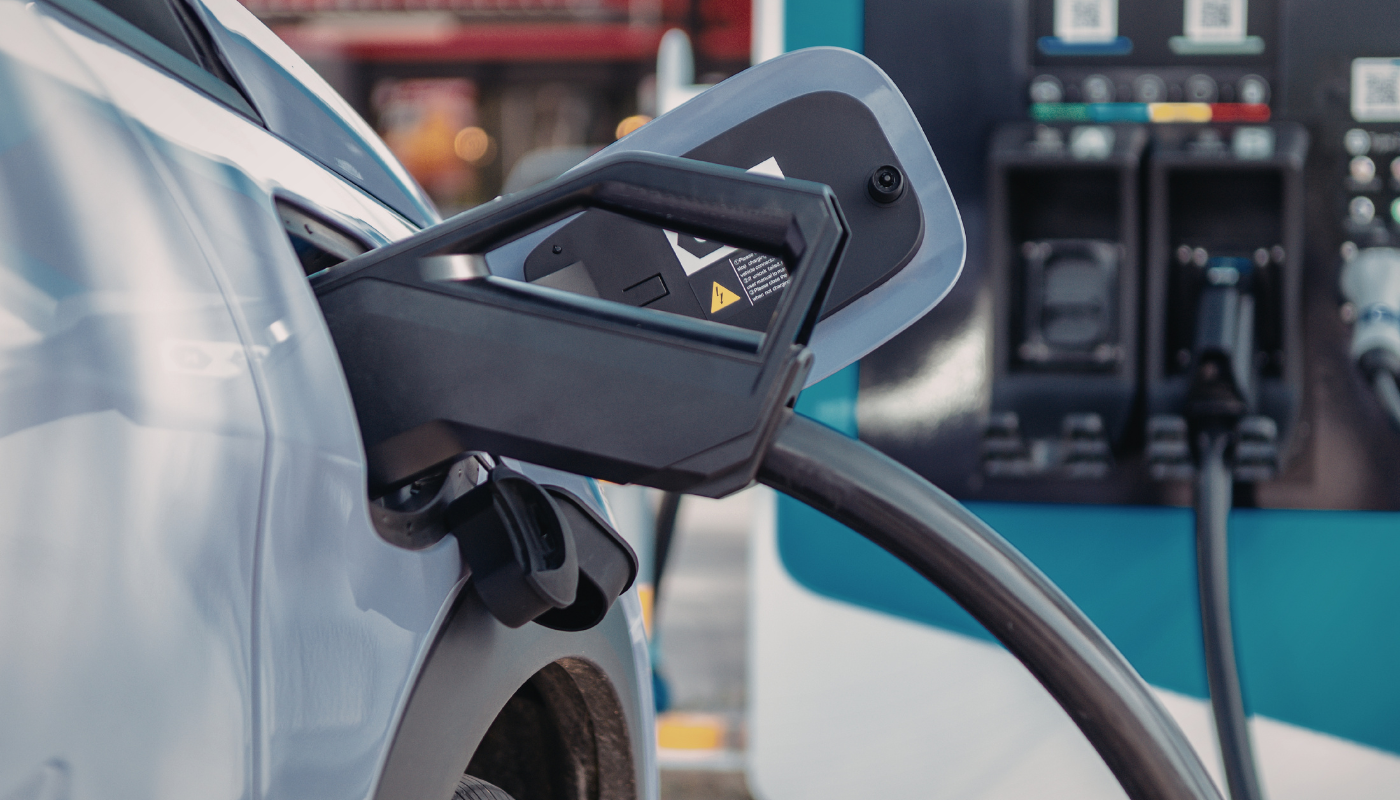
- Electric vehicles: High average costs (e.g. Hyundai Ioniq), often due to specialist parts and labour.
- Luxury/performance cars: Predictably expensive (Mercedes, Porsche), but with higher labour and parts premiums.
- Diesel workhorses: Surprisingly costly over time due to frequent, high-volume claims (e.g. Land Rover Discovery, Ford Tourneo Custom).
- Everyday petrol models: Often sit in the middle - but can spike depending on age and usage.
Interestingly, hybrids like the Porsche Cayenne also show strong claim frequency, highlighting that “efficient” doesn’t always mean “cheap to fix.”.
The affordability tipping point
For garages, there’s a delicate balancing act. More than half say they can’t easily pass rising costs onto customers without risking losing them. But absorbing those costs isn’t sustainable either. So where does that leave drivers? Caught in the middle.
Repair bills are rising, but wages and disposable income aren’t keeping pace. The result? More drivers gambling on “just one more month” before fixing that issue.
Sometimes that works. Often, it doesn’t.
So, what can motorists do?
This is where a bit of foresight goes a long way.
- Don’t delay the small stuff - Minor issues have a habit of becoming major ones - especially in modern cars.
- Understand your vehicle’s risk profile - Not all cars carry the same repair burden. Knowing your model’s tendencies can help you plan.
- Budget for the unexpected - With average repair costs now comfortably into four figures for many models, a rainy-day fund (or protection plan) is no longer optional.
- Consider total cost of ownership - not just purchase price - That bargain SUV might not look so cheap when the repair bills roll in.

MotorEasy Car Warranty
When repair costs start creeping into the thousands, ‘hoping for the best’ stops being a strategy. This is exactly where a MotorEasy Car Warranty comes into its own.
Instead of facing unpredictable, and often eye-watering, bills, a warranty turns those unknowns into something far more manageable: a fixed, planned cost. And in a world where a single repair on an electric vehicle can exceed £6,000, that kind of certainty isn’t just reassuring - it’s essential.
What makes this especially relevant right now is the sheer variability in repair costs. As our data shows, it’s not just high-end or luxury cars at risk. Everyday vehicles, work vans, hybrids - no segment is immune. And with more drivers delaying maintenance due to cost pressures, the likelihood of bigger, more expensive failures only increases.
A MotorEasy Car Warranty helps break that cycle.
It means:
- Protection against major repair bills when components fail unexpectedly
- Peace of mind as vehicles age and become more prone to faults
- Budgeting confidence, with no sudden financial shocks
- Nationwide approved repair network, so help is always within reach
And if there’s one takeaway from the Carly Study, Ombudsman’s findings and our own data, it’s this: The real cost of driving isn’t what you pay upfront - it’s what happens when things go wrong.